Rustic Home Design: Creating Warmth and Character in Your Living Space
Are you tired of sterile, cold interiors that feel more like showrooms than homes? Rustic home design might be your perfect solution.
Rustic design isn’t just a style – it’s a storytelling approach to interior decoration that brings nature, history, and warmth into your living space.
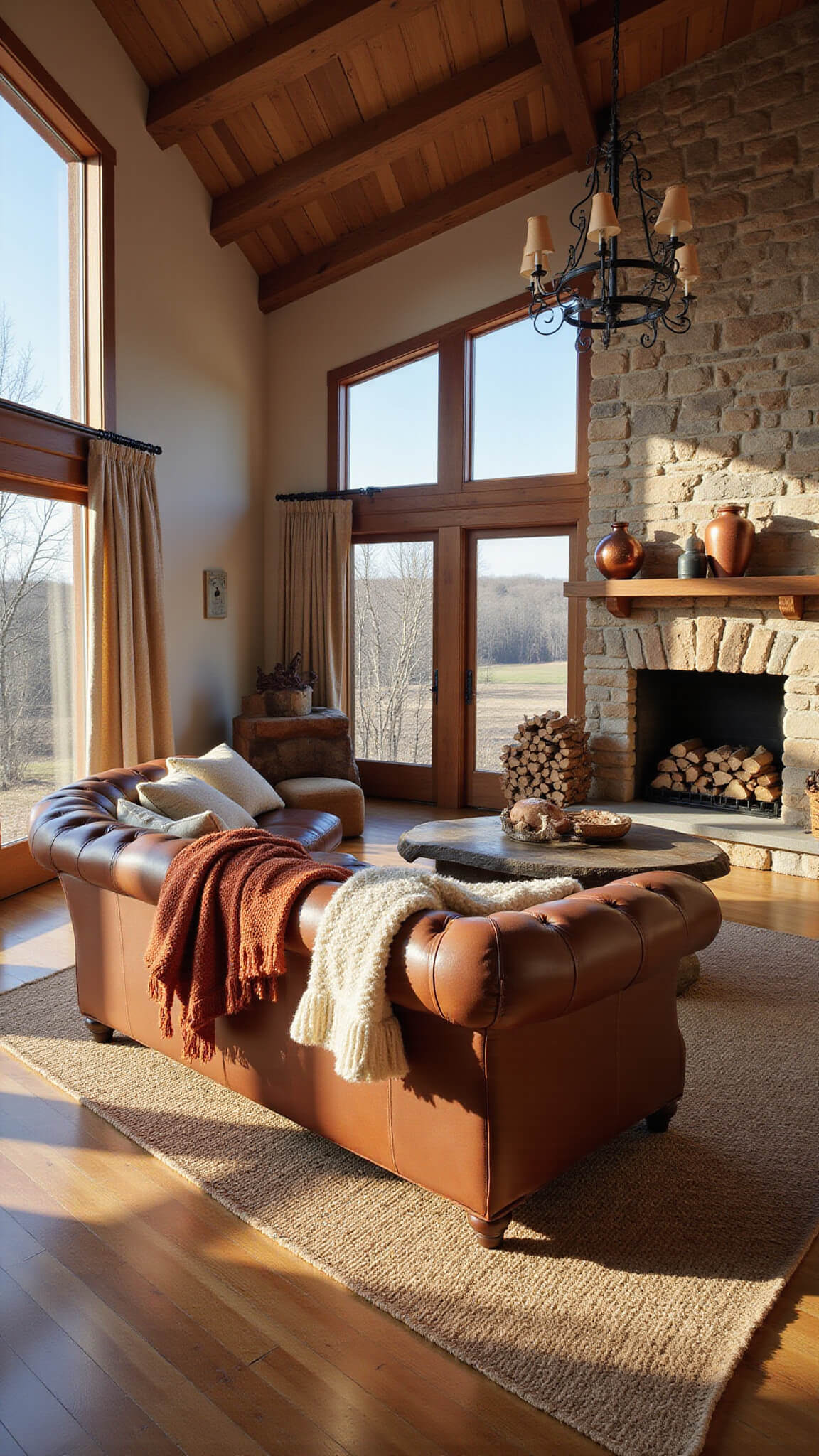
✎ Steal This Look
- Paint Color: Sherwin-Williams Grizzle Gray SW 7068 creates the perfect backdrop for rustic warmth while allowing natural wood tones to shine
- Furniture: reclaimed barn wood dining table with live edge details and wrought iron hairpin legs
- Lighting: wrought iron chandelier with Edison bulb pendants and exposed filaments
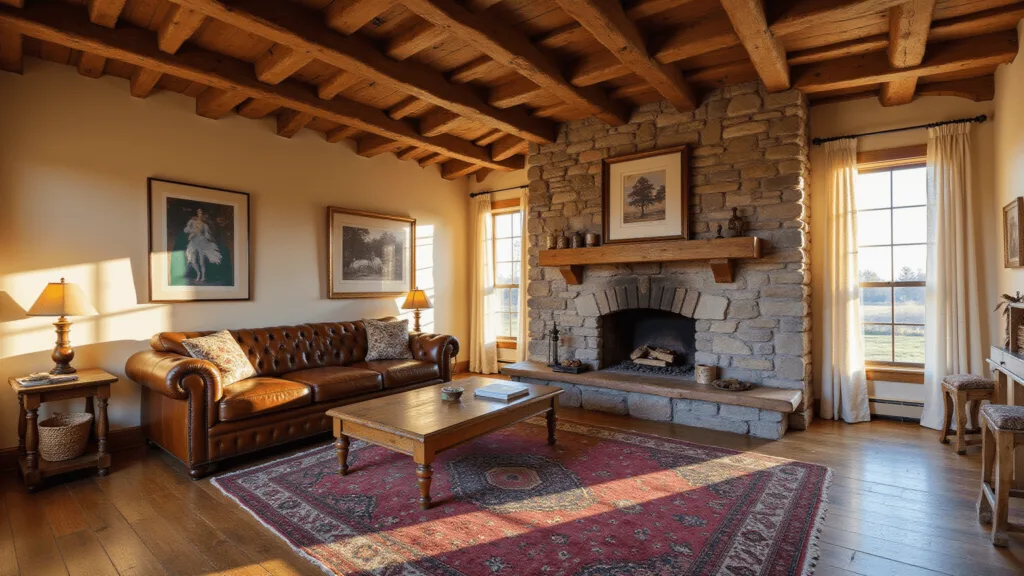
- Materials: weathered reclaimed wood, aged leather, rough-hewn stone, and oxidized metal accents
There’s something deeply satisfying about running your hand across a reclaimed wood beam that once supported a century-old barn. Rustic design connects us to stories bigger than ourselves, creating spaces that feel lived-in from day one.
What Makes Rustic Design Unique?
Rustic home design celebrates imperfection and authenticity.
The core philosophy revolves around:
- Embracing natural materials
- Highlighting handcrafted elements
- Creating cozy, lived-in environments
- Connecting interior spaces with natural landscapes
The Essential Elements of Rustic Design
1. Materials Matter Most
- Reclaimed wood
- Raw stone
- Aged metal
- Natural fabrics
- Weathered textures
2. Color Palette Secrets
Rustic design thrives on earthy, grounded colors:
- Warm browns
- Deep terracottas
- Rich maroons
- Soft beiges
- Charcoal blacks
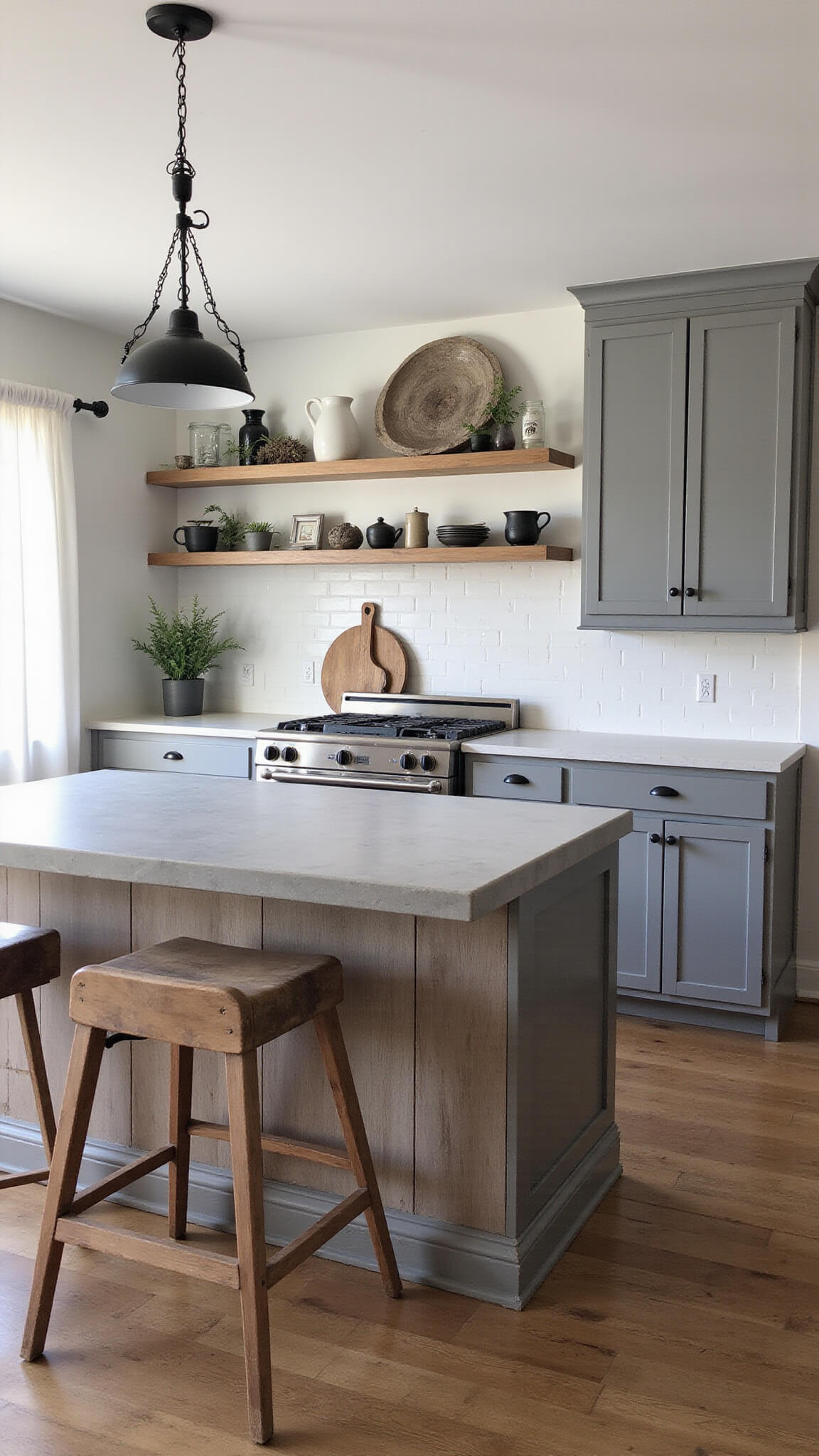
Rustic Style Variations
Traditional Rustic
- Heavy, dark materials
- Vintage furniture
- Cabin-like atmosphere
- Clean lines
- Lighter color palette
- Minimalist approach
- Contemporary touches
Industrial Rustic
- Metal accents
- Utilitarian design
- Urban-inspired elements
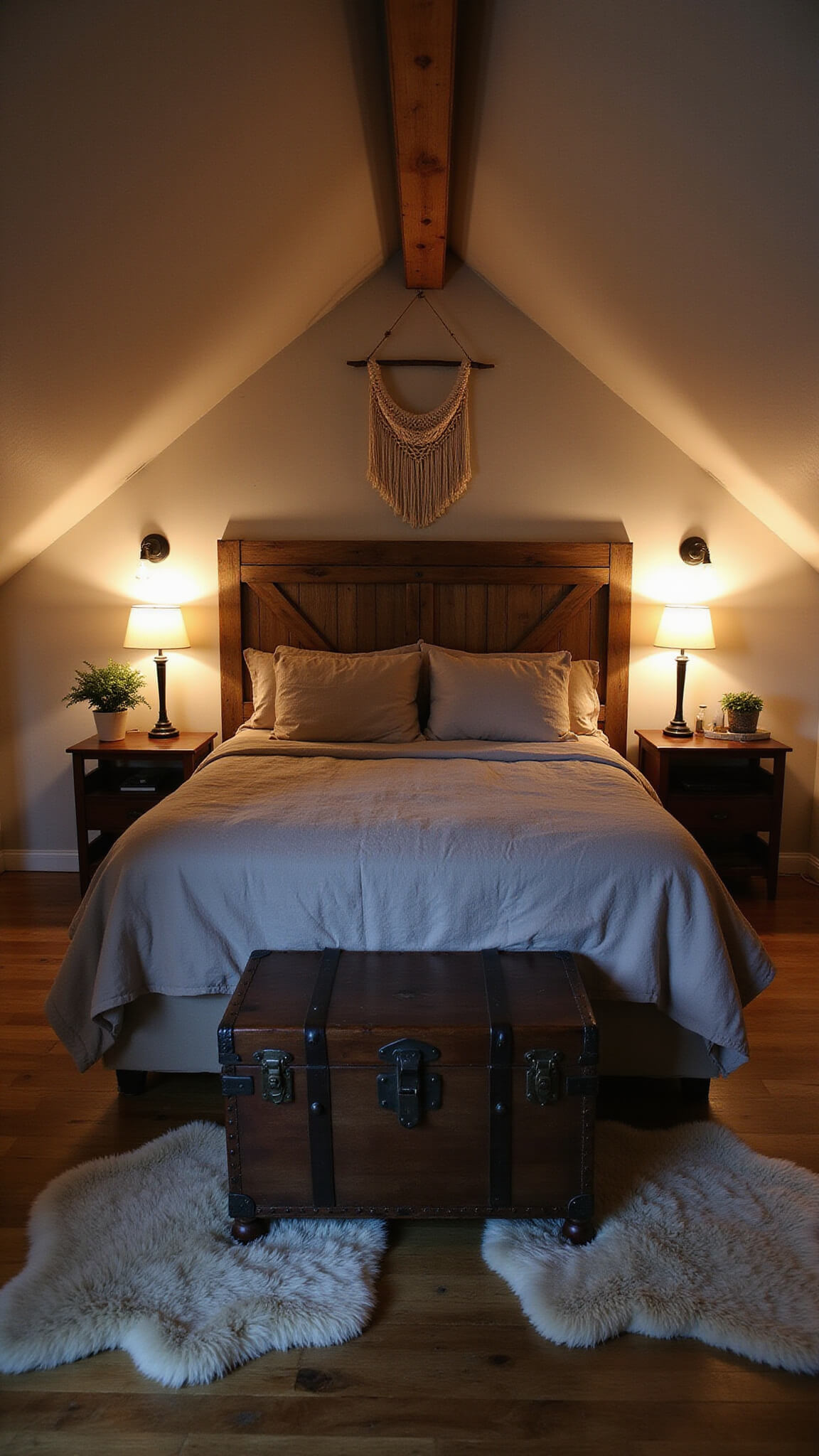
🖼 Steal This Look
- Paint Color: Benjamin Moore Kendall Charcoal HC-166
- Furniture: reclaimed wood dining table with live edge and wrought iron hairpin legs
- Lighting: black iron chandelier with Edison bulb pendants
- Materials: reclaimed barn wood, raw stone accents, aged copper, natural linen
There’s something deeply satisfying about rustic design’s honest approach to materials and craftsmanship. When you choose pieces with visible wood grain, patina, and handmade imperfections, you’re creating a home that feels genuinely lived-in rather than staged.
Practical Tips for Achieving Rustic Design
1. Wood is Your Best Friend
- Use reclaimed wood flooring
- Install exposed wooden beams
- Choose farmhouse-style furniture
- Incorporate wooden accent walls
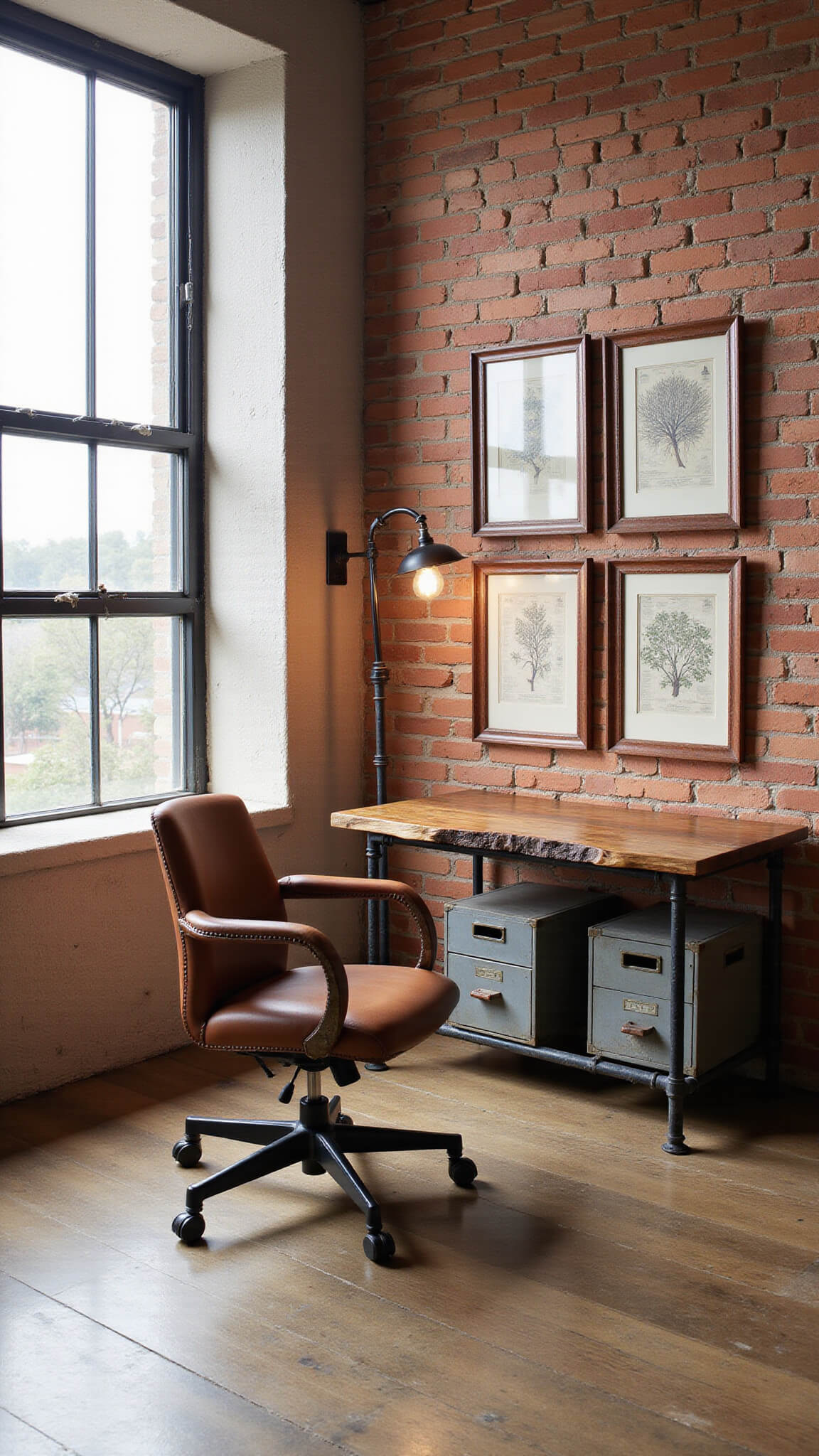
2. Texture is Key
- Layer different materials
- Mix rough stone with soft textiles
- Use woven rugs
- Add chunky knit blankets
- Display handcrafted ceramics
3. Decor Selection Matters
Must-Have Rustic Decor Items:
- Vintage metal containers
- Handwoven baskets
- Leather accents
- Antique farming tools
- Natural fiber textiles
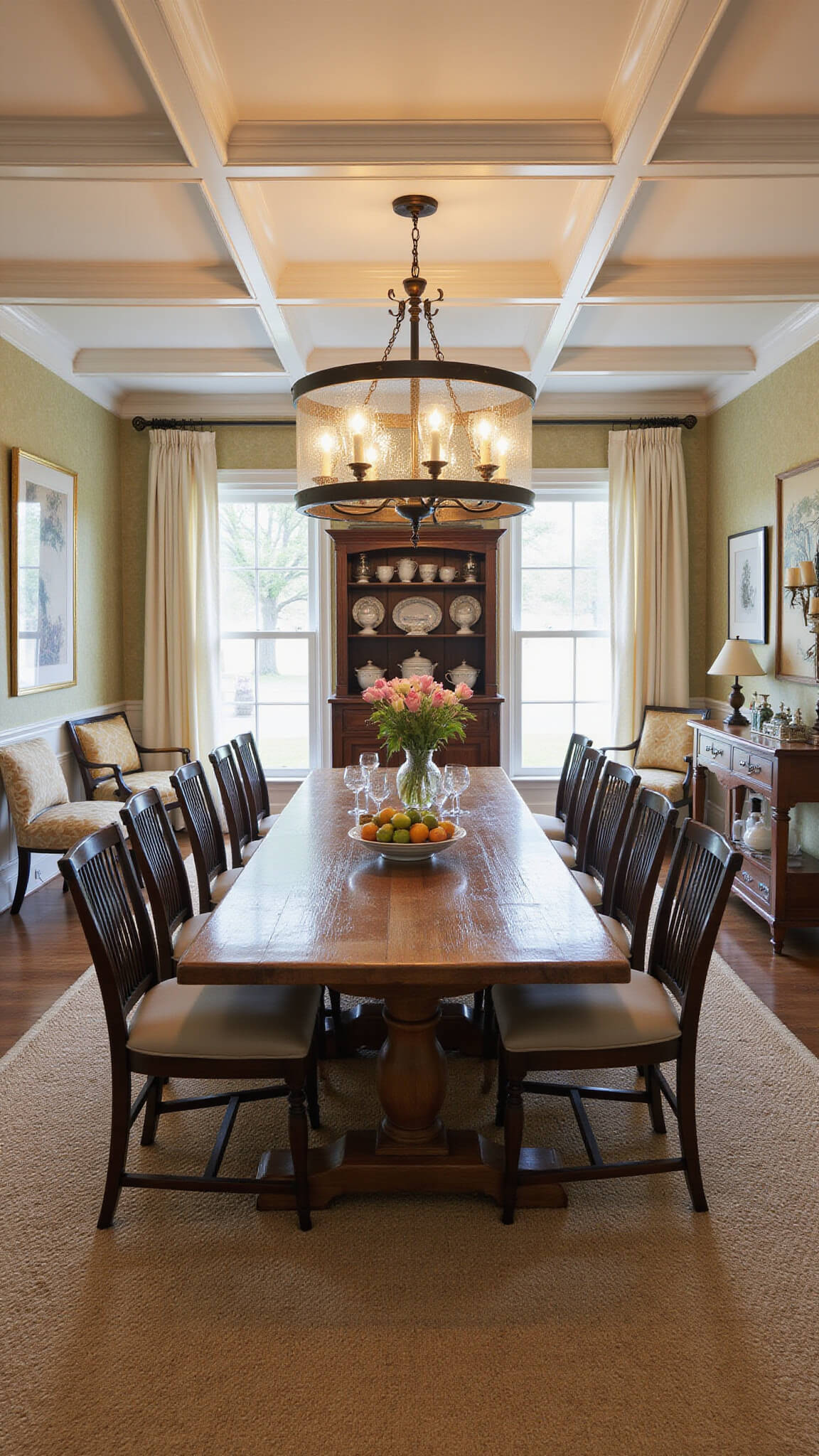
4. Lighting Considerations
- Wrought iron chandeliers
- Edison bulb fixtures
- Lantern-style pendants
- Warm, soft lighting
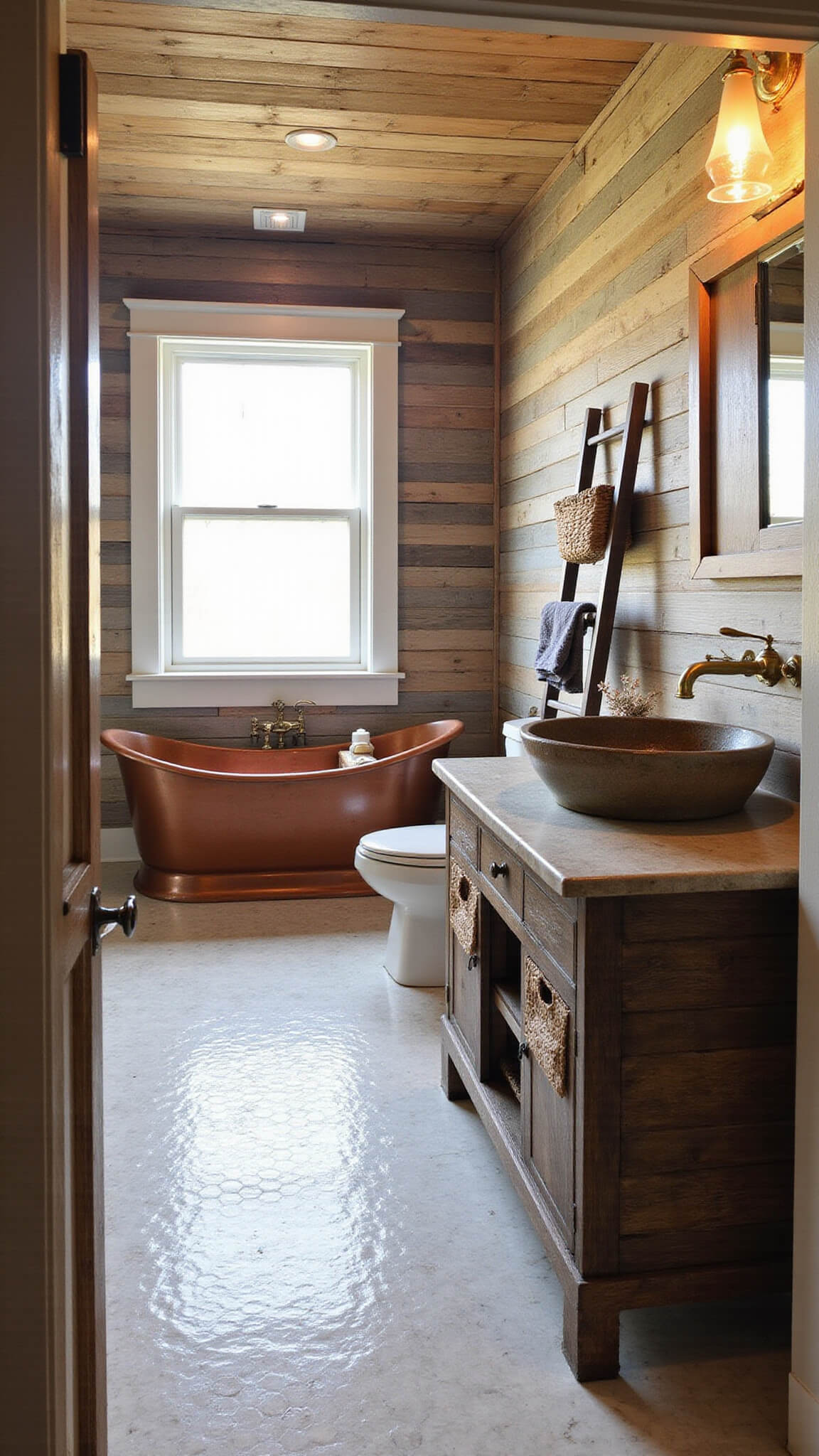
🏠 Steal This Look
- Paint Color: Farrow & Ball Mouse’s Back No.40 – a warm greige that complements reclaimed wood beautifully
- Furniture: chunky reclaimed wood dining table with wrought iron base and weathered leather dining chairs
- Lighting: oversized wrought iron chandelier with Edison bulb fixtures for ambient warmth
- Materials: reclaimed barn wood, rough-hewn stone, natural jute, weathered leather, handwoven wool
There’s something deeply satisfying about creating a space that feels like it has stories to tell through weathered wood and time-worn textures. This approach to rustic design celebrates the beauty of imperfection and the warmth of natural materials.
Common Mistakes to Avoid
Don’t:
- Over-polish materials
- Use too many synthetic elements
- Create an overly themed space
- Ignore comfort for aesthetic
Do:
- Prioritize comfort
- Allow natural imperfections
- Balance rustic elements
- Create a personal narrative
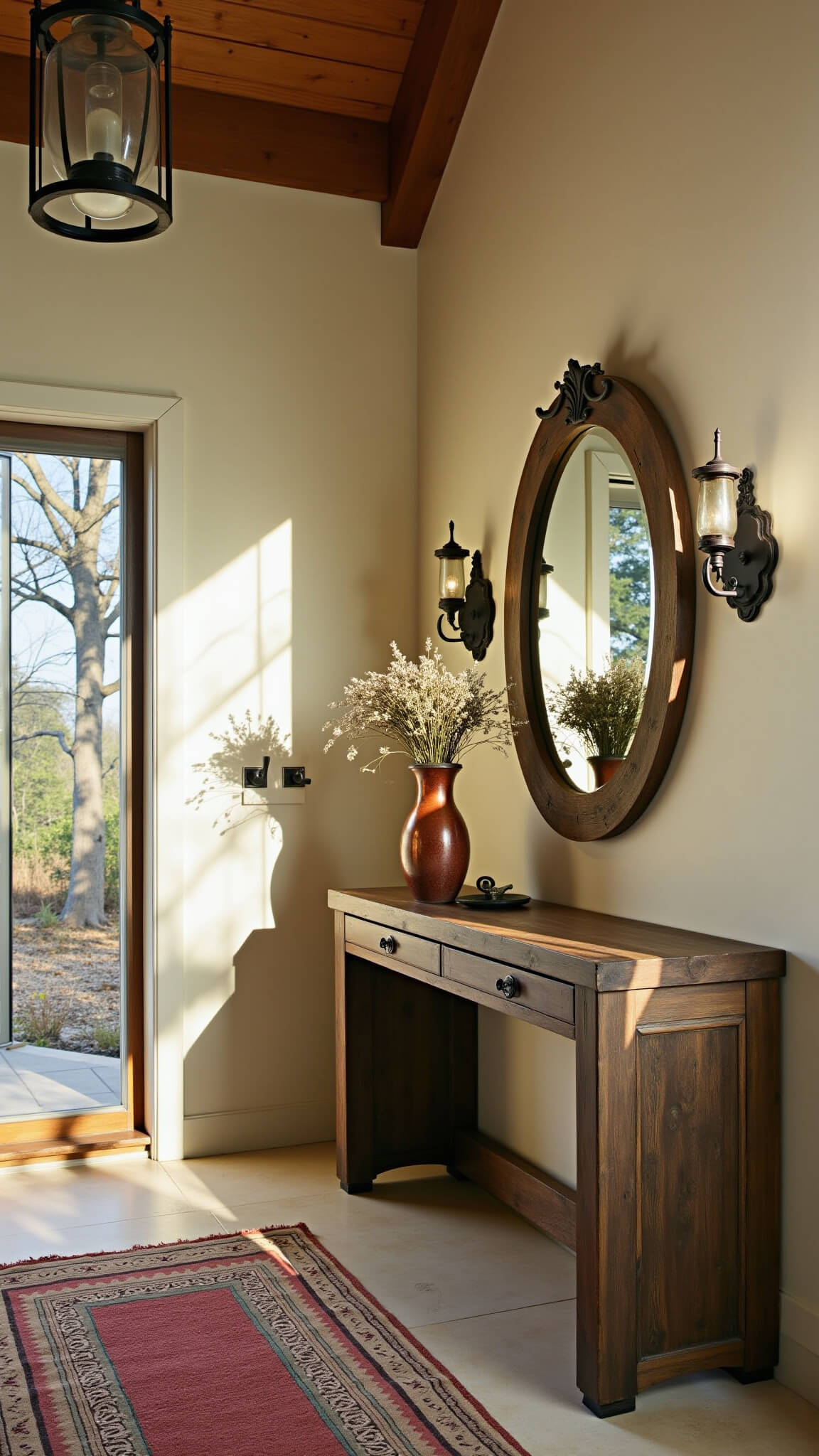
🌟 Steal This Look
- Paint Color: Behr Barnwood Gray S210-4 for a naturally weathered rustic foundation that embraces imperfections without appearing overly distressed
- Furniture: reclaimed wood dining table with visible grain patterns and natural edge details, paired with mix-matched vintage chairs showing authentic wear
- Lighting: wrought iron chandelier with Edison bulbs for warm ambient lighting that feels collected over time
- Materials: reclaimed barn wood, natural stone, aged leather, linen textiles, and raw metal accents with authentic patina
The most inviting rustic homes feel like they evolved naturally over time, where each piece has a story and comfort always trumps perfect styling. This approach creates spaces that feel genuinely lived-in rather than catalog-perfect.
Budget-Friendly Rustic Design Hacks
- Thrift store hunting
- DIY restoration projects
- Marketplace finds
- Repurposing old furniture
- Focusing on key statement pieces
Final Thoughts
Rustic home design isn’t about perfection – it’s about creating spaces that tell a story, feel lived-in, and connect you with natural beauty.
Your home should be a sanctuary that reflects your personality, embraces imperfection, and makes you feel truly comfortable.
Pro Tip: Start small. Choose one room or even one corner to experiment with rustic design principles before committing to a full home transformation.
Quick Rustic Design Checklist
- [ ] Natural materials
- [ ] Earthy color palette
- [ ] Handcrafted elements
- [ ] Textural variety
- [ ] Comfortable atmosphere
Remember: Rustic design is a journey, not a destination. Have fun exploring!