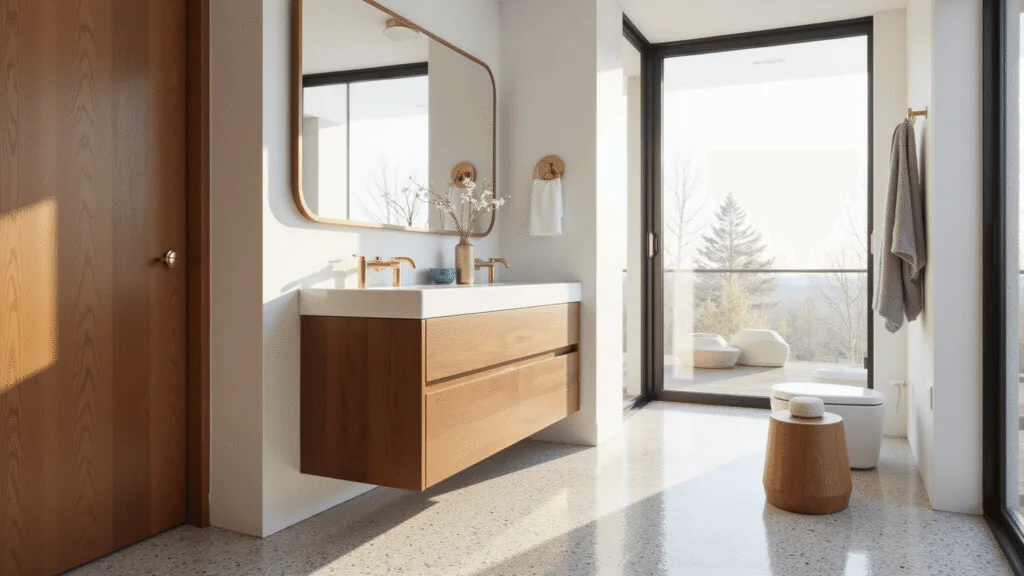
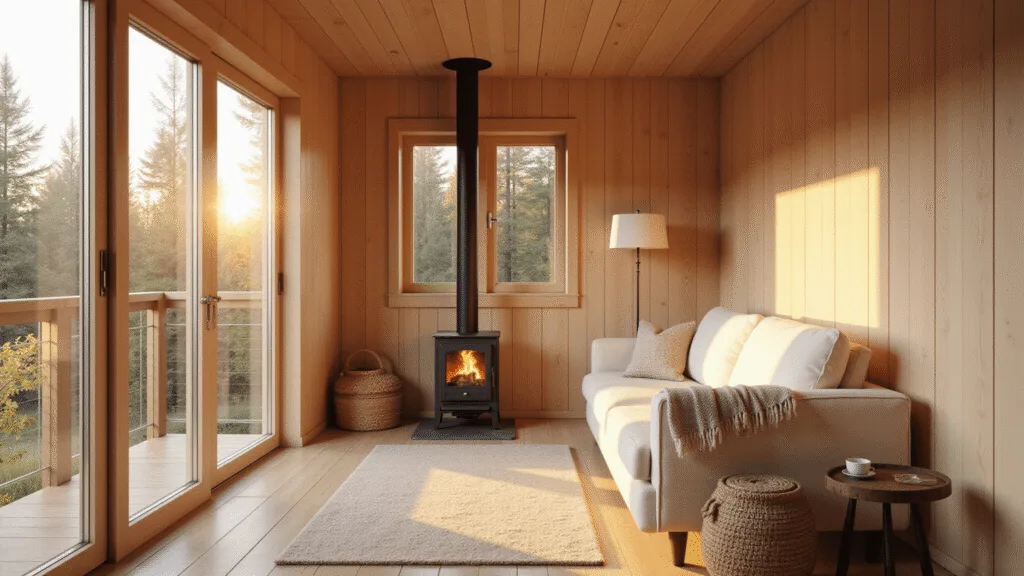
Why Japandi Plants Transform Your Home
Ever walked into a room and felt an instant sense of calm? That’s the magic of Japandi plants – where Japanese minimalism meets Scandinavian simplicity.
Imagine bringing nature indoors without overwhelming your space. Japandi plants aren’t just decor; they’re a lifestyle statement that whispers elegance and breathes tranquility.

🏠 Steal This Look
- Paint Color: Sherwin-Williams Natural Linen SW 9109
- Furniture: low-profile platform bed with natural wood frame, floating nightstands in light oak, minimalist dresser with clean lines
- Lighting: pendant light with natural fiber shade, table lamp with ceramic base in matte white
- Materials: natural linen textiles, light oak wood, ceramic planters in neutral tones, jute area rug
There’s something deeply restorative about a space where every plant feels intentionally placed rather than randomly scattered. The Japandi approach teaches us that less truly can be more when each green element serves both beauty and purpose.
Top Japandi Plants for Your Minimalist Sanctuary
1. Ficus Benjamina (Weeping Fig)
- Slender trunk with graceful arching branches
- Natural air purifier
- Creates soft organic flow in structured spaces

2. Cast Iron Plant
- Practically indestructible
- Thrives in low light
- Glossy leaves that add subtle sophistication
3. Fiddle Leaf Fig
- Sculptural silhouette
- Dramatic focal point
- Perfect for creating visual interest

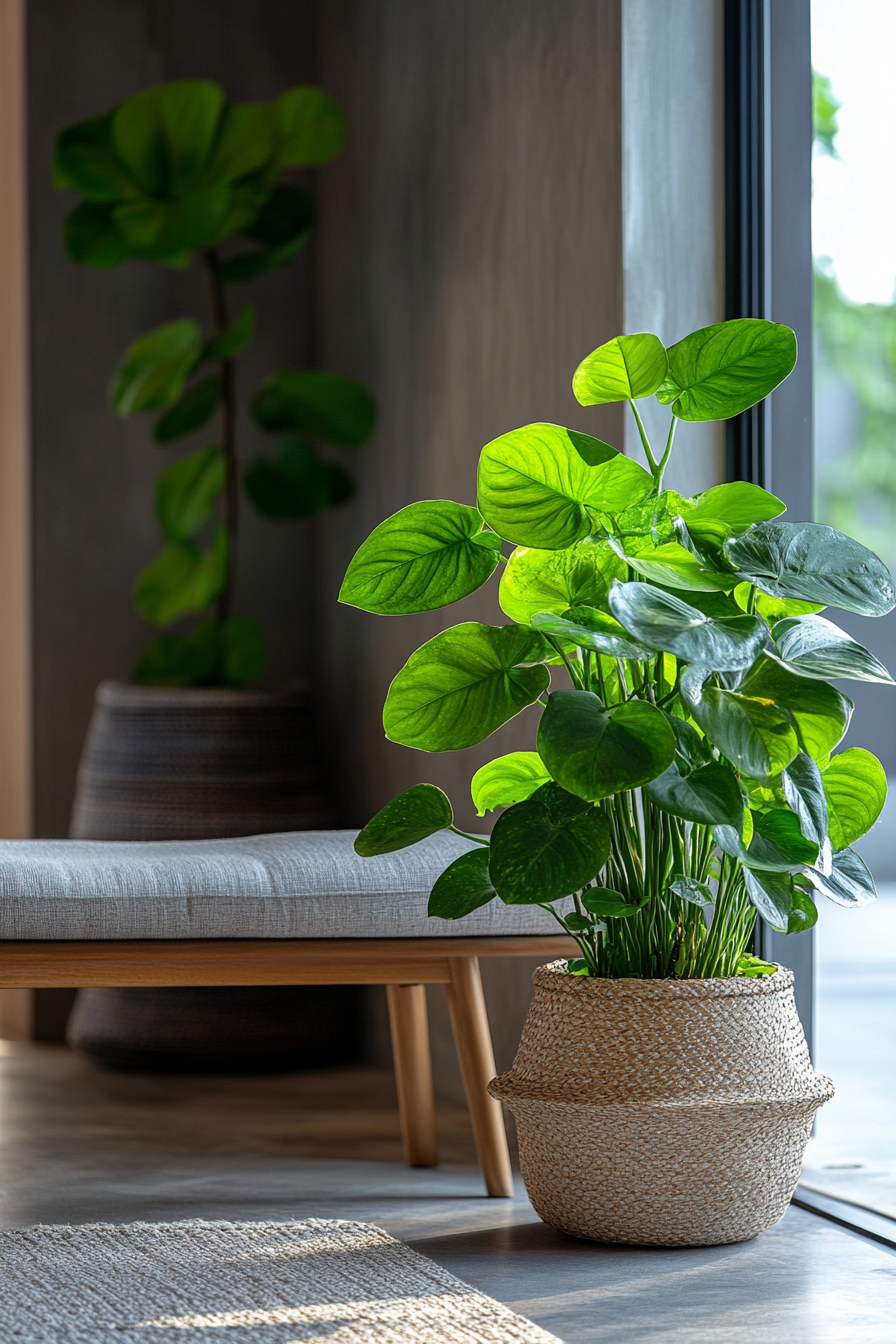
4. Chinese Money Plant
- Round, playful leaves
- Symbolizes balance and harmony
- Adds zen-like serenity to any room
5. False Aralia
- Delicate, serrated leaves
- Color variations from copper to deep green
- Slow-growing indoor companion

★ Steal This Look
- Paint Color: Benjamin Moore White Dove OC-17
- Furniture: low-profile teak wood console table with clean lines
- Lighting: natural linen pendant light with warm LED bulbs
- Materials: natural jute rug, ceramic planters in matte white, woven baskets
There’s something deeply calming about curating the perfect plant collection for your Japandi sanctuary. Each green addition should feel intentional and peaceful, never chaotic.
Beyond Decoration: The Japandi Plant Philosophy
Japandi plants aren’t just about looking good. They’re about:
- Creating natural balance
- Promoting mindful living
- Purifying air
- Connecting with nature
- Softening minimalist designs
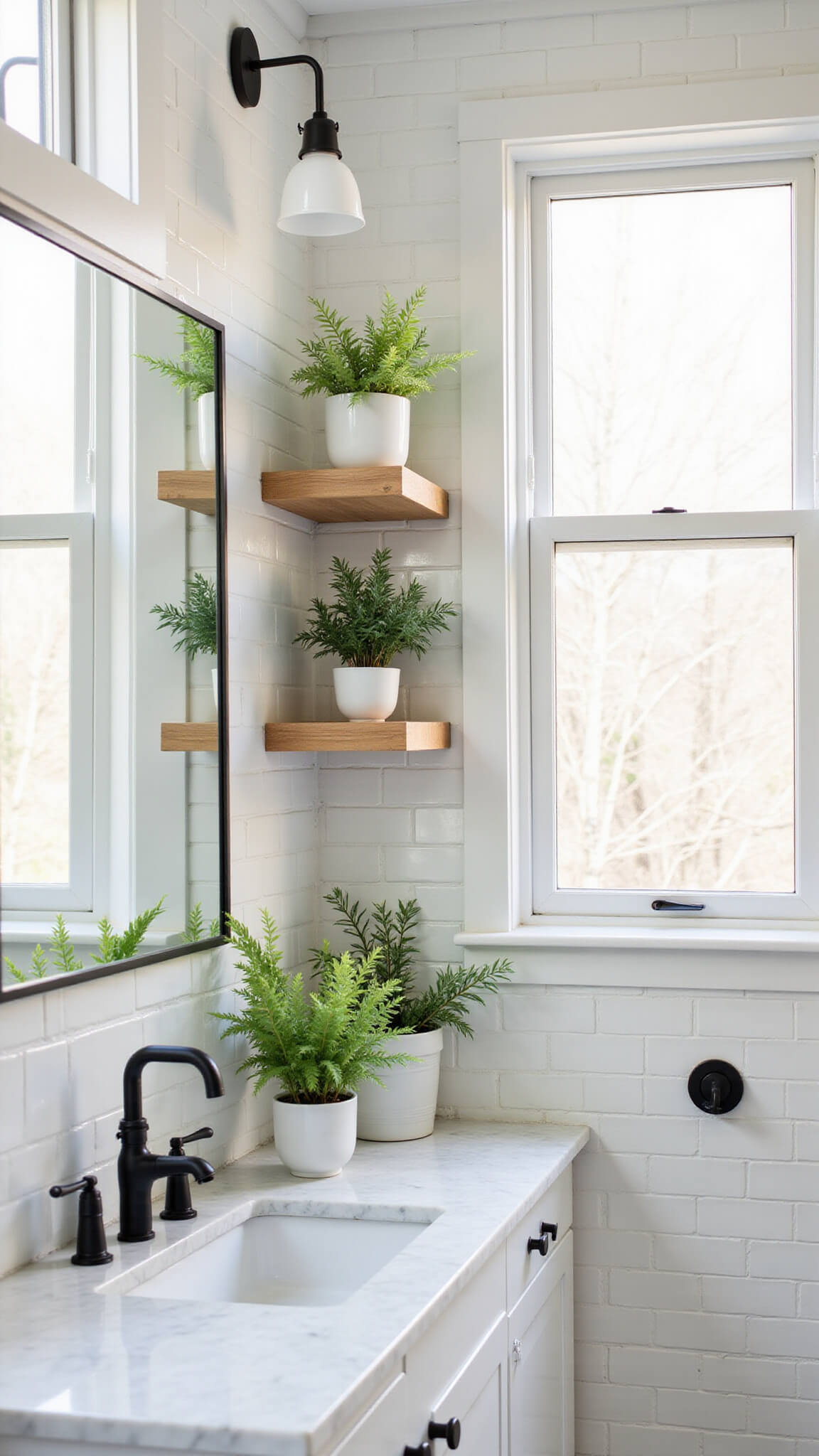
💡 Steal This Look
- Paint Color: Farrow & Ball Pavilion Gray No. 242
- Furniture: low-profile walnut media console with clean lines and natural wood grain
- Lighting: paper pendant lamp with warm LED bulbs for soft ambient glow
- Materials: natural linen textures, unfinished wood, ceramic planters, woven jute
The Japandi philosophy transforms plants from mere decoration into intentional elements that breathe life into serene spaces. Each plant becomes a mindful choice that enhances both air quality and emotional well-being.
Styling Your Japandi Green Space
Planter Selection Tips
- Choose ceramic or natural materials
- Stick to neutral, earthy tones
- Embrace clean, simple lines
- Prioritize function over ornate design

💡 Steal This Look
- Paint Color: Behr Natural Linen S290-1 for main walls with Behr Botanical Green S380-4 for accent wall
- Furniture: low-profile teak plant stands and minimalist ceramic planters in white and sage green
- Lighting: warm LED grow lights with clean geometric fixtures
- Materials: natural ceramic, unglazed terracotta, light wood grain, and woven jute textures
There’s something deeply satisfying about curating a plant collection that feels both intentional and effortless. The best Japandi plant styling looks like it grew naturally into the space, not like it was forced.
Pro Tips for Japandi Plant Care
- Less is more
- Choose plants that require minimal maintenance
- Position strategically to create visual breathing room
- Rotate plants occasionally for even growth
- Use simple, understated planters
Common Mistakes to Avoid
- Overcrowding plants
- Selecting high-maintenance species
- Ignoring plant-specific light requirements
- Choosing planters that compete with plant aesthetics
Your Japandi Plant Journey Starts Now
Remember, Japandi is about intentional simplicity. Each plant should feel like it’s breathing life into your space, not cluttering it.
Quick Checklist:
- Select low-maintenance plants
- Use neutral planters
- Create space between greenery
- Focus on natural, balanced arrangements
Embrace the Japandi plant philosophy, and watch your home transform into a serene, green sanctuary.